
Most Successful Influencers Aren’t Creating Five Different Pieces of Content
3 Minute Read
You might assume that your favorite influencers spend hours every day creating totally unique content for every platform they use. The reality? The smartest creators don’t. Instead, they take one core idea and reshape it to fit wherever their audience is watching.
It’s not lazy, it’s strategic.
This approach, known as platform-specific content adaptation, is one of the biggest reasons certain creators seem to be everywhere at once without burning out. Here’s how they do it and what you can learn from it.
Why One Size Doesn’t Fit All
Each social media platform has its own culture, algorithm, and unspoken rules about what succeeds and what gets scrolled past.
Instagram rewards aesthetic, aspirational content. Users come to be inspired, so polished visuals, curated feeds, and short, punchy captions tend to perform best.
TikTok is the opposite: raw, fast, and entertainment-first. Authenticity and quick hooks matter more than perfection.
YouTube is where audiences go for depth. Longer videos, storytelling, and content that builds trust over time thrive here.
LinkedIn is professional and insight-driven. People want content that teaches them something useful for their careers.
Facebook, often overlooked by younger creators, remains powerful for community-building and shareable content, particularly with older audiences.
Same creator. Same message. But how it lands depends entirely on where it’s delivered.
The Strategy: Same Core Idea, Platform-Native Delivery
The important thing to remember here is that repurposing content does not mean posting the same video on every platform.
Platform-native adaptation means taking the core idea of your content and reshaping it to best fit the landscape on each platform.
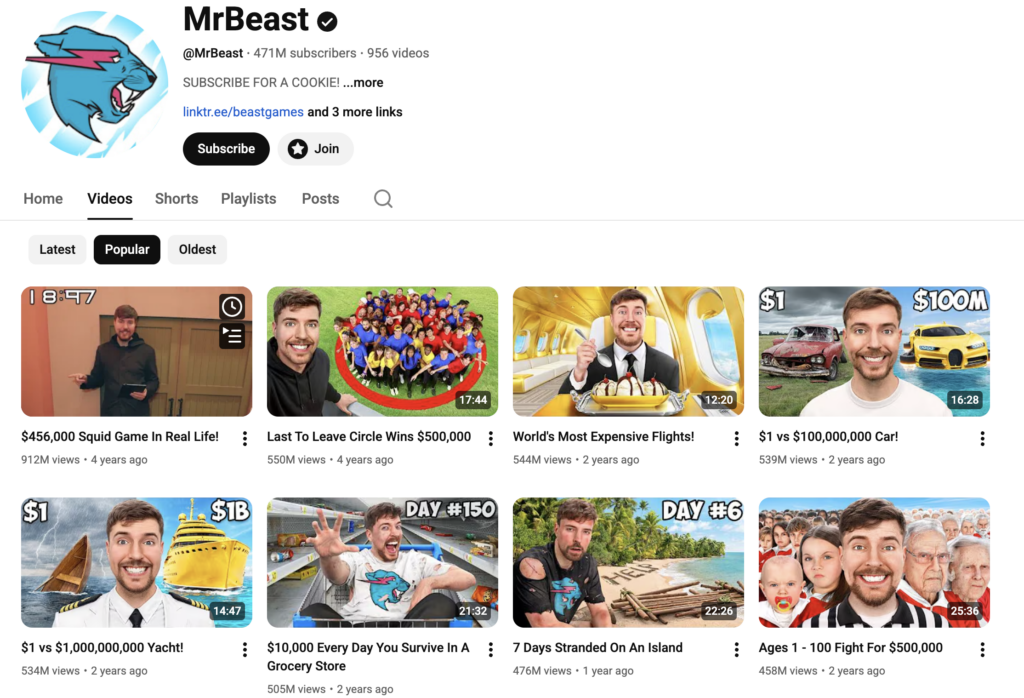
A strong example of this strategy is YouTuber Jimmy Donaldson, better known as MrBeast. MrBeast is known for his large-scale YouTube challenge videos that typically run between 15 and 40 minutes and feature elaborate concepts, like giving away large sums of money and prizes or completing extreme challenges.
His strategy doesn’t stop with YouTube, though.
After releasing a full-length video, moments from that content are clipped into short-form videos for TikTok, Instagram Reels, and YouTube Shorts. These clips highlight the most exciting or dramatic parts of the original video, such as the final challenge or surprising/engaging moments.
This allows MrBeast to turn one long-form video into multiple pieces of content that can perform well across different platforms. Short clips grab attention quickly while encouraging viewers to watch the full video on YouTube.
The best part? This strategy isn’t limited to YouTube challenge creators.
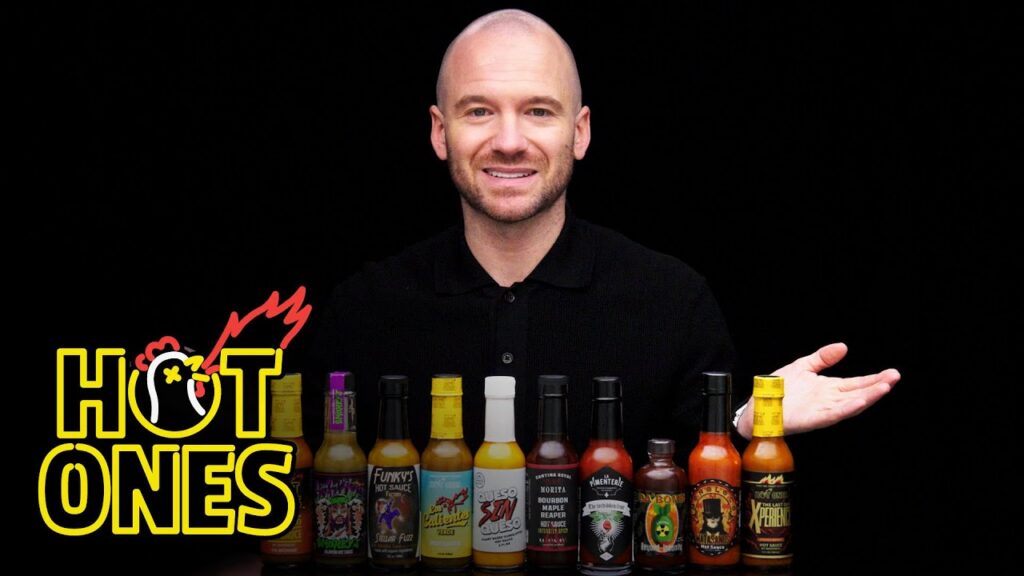
The interview series Hot Ones, hosted by Sean Evans, follows a similar approach. Full-length celebrity interviews are released on YouTube, but many of the show’s most memorable moments, such as a guest reacting to an especially spicy wing or sharing an unexpected story, are clipped into shorter videos for short-form-heavy platforms. These clips often go viral on their own while encouraging viewers to watch the full interview.
By adapting one idea into different formats, creators can reach audiences in multiple spaces without constantly producing entirely new content.
But if this strategy works so well, why not just post the same content everywhere?
Why Posting the Exact Same Content Everywhere Doesn’t Work
Simply reposting the same content across every platform rarely works because each platform has different formats, expectations, and viewing habits.
For example, a horizontal 10-minute YouTube video won’t perform well on TikTok, where users expect vertical videos, fast pacing, and a strong hook within the first few seconds.
Overall tone plays a role, too. A professional post that works on LinkedIn might feel out of place on Instagram, while a casual TikTok-style video might feel too informal for LinkedIn audiences.
Algorithms also prioritize content that feels native to the platform, meaning it matches the style and format users expect.
The idea behind the content can stay the same, but the format, pacing, and presentation should change depending on where it’s posted.
That’s why the most successful creators adapt their content rather than simply reposting.
Successful influencers are not winning because they create more content. Truly, they often succeed because they maximize every idea. By starting with one strong concept and adapting it for different platforms, creators can stay consistent, reach wider audiences, and avoid the burnout that comes from constantly trying to generate new ideas.
When it comes to content, being everywhere does not mean creating everything from scratch. It means understanding how each platform works and reshaping your message so it feels natural wherever your audience is watching.